

By Emily Johnson
In an interconnected world, events across continents ripple far beyond their origin points. Issues like acute hunger, emerging diseases, and climate-driven displacement are no longer distant news — they are global emergencies that compound one another. Below, a look at what’s happening, what’s being done, and why it matters to folks even in Buffalo.
The Hunger Crisis Deepens
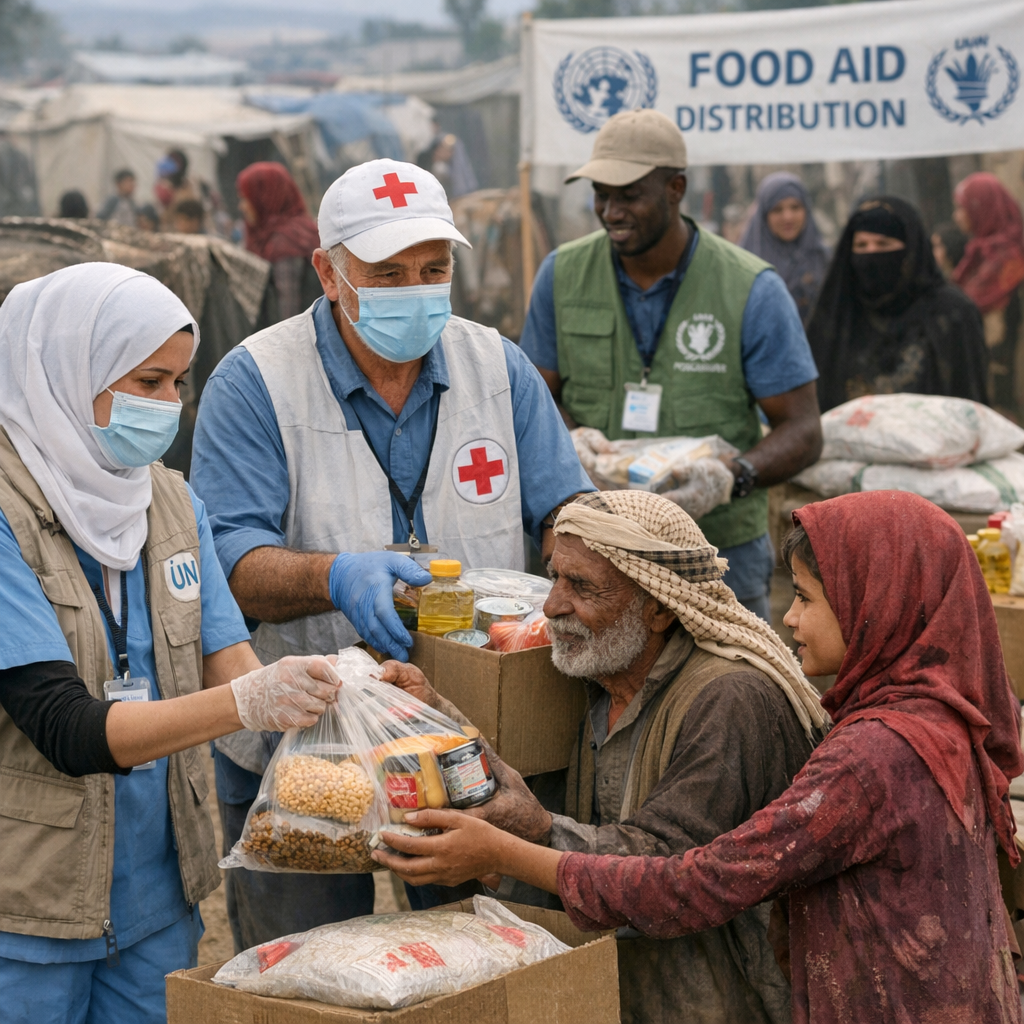
Recent reports confirm widespread food insecurity continues across nations facing conflict, climate shocks, and economic strain. In 2025, two famines were confirmed simultaneously in the Gaza Strip and Sudan — a first in the decade-long tracking of global food crises. The risk of famine remains elevated in those regions and in South Sudan. Acute food insecurity ravages parts of East and Southern Africa, leaving millions without reliable access to nutritious meals. These crises are worsened by inflation, disrupted supply chains, and soaring prices for fuel and fertilizer tied to global energy instability. From rising costs of essentials to fragile harvests, the stakes are high.
Strengthening Pandemic Preparedness — Are We Ready?
COVID-19 exposed critical gaps in global health systems. Progress since then includes adoption of an international Pandemic Agreement and amendments to health regulations designed to better define what constitutes a pandemic emergency. Initiatives like the Pandemic Fund are channeling financial resources toward low- and middle-income countries to improve surveillance, diagnostics, vaccine access, and health workforce capacity. Yet progress is uneven and fragile: funding remains vulnerable to other policy priorities, and many regions still lack full readiness when it comes to early detection and response infrastructure.
Climate Change, Migration, and Displacement
With climate change intensifying both sudden disasters (like storms or floods) and slow-onset threats (like drought, land degradation, sea level rise), more people are being pushed to migrate either within their home countries or across borders. Recent research emphasizes that responses are too often reactive and not well-rooted in long-term planning that connects migration policy with climate adaptation, social protection, and disaster risk reduction. Local actions — from community-led planning to Indigenous policy initiatives — are emerging as vital pieces of durable solutions.
What Can Local Communities Do?
- Stay informed: understanding global trends matters — food prices, disease outbreaks, climate forecasts — all affect communities everywhere.
- Support fairness in global health: equitable access to vaccines, treatments, and diagnostics isn’t just moral — it helps protect everyone by slowing spread.
- Encourage local policy that connects with global systems: Buffalo’s institutions can collaborate with state, national and international partners in climate resilience, emergency response, refugee integration, and food system stability.
Global crises are often painted in broad strokes, but their impacts are deeply personal. When people are hungry, sick, or displaced half a world away, the risk is that we all become more exposed — to instability, supply disruptions, and health threats. Recognizing this, policy-makers, communities, and everyday citizens all have roles to play in building systems that are resilient, fair, and sustainable.